Why Did My Heirloom Viili Yogurt Lose Its Ropy Stretch?
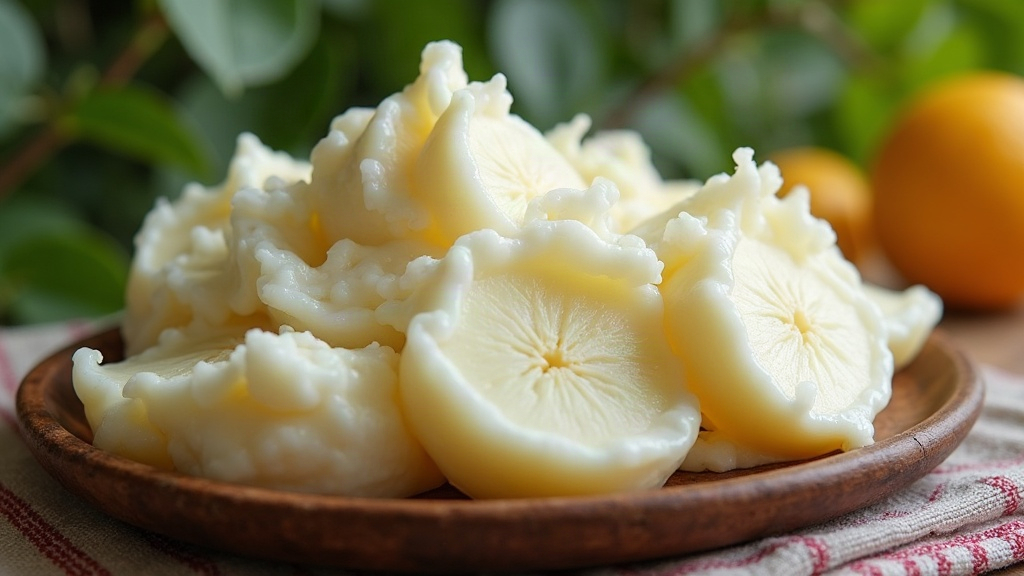
If your heirloom viili has stopped doing that signature spoon-stretch thing, the long elastic strands that made you fall in love with it in the first place, you’re dealing with one of a handful of usual suspects: a shifted bacterial-yeast balance, temperature stress, some kind of contamination, or milk that no longer feeds the ropy-producing strains the way it used to. Here’s the reassuring part: in almost every case, you can get that stretch back with a few deliberate tweaks to how you’re culturing.
What Makes Viili “Ropy” in the First Place
Viili is a Scandinavian heirloom yogurt known for a thick, almost jelly-like texture that pulls into long strings when you lift a spoonful out of the jar. That’s not just thick milk doing a party trick. It comes from specific exopolysaccharide-producing (EPS) bacteria, particularly strains of Lactococcus lactis subsp. cremoris, working in tandem with yeasts and other lactic acid bacteria that make up the culture.
These EPS bacteria release long sugar chains into the milk as they ferment. Those chains tangle together and create the stretchy, almost mozzarella-like pull viili is known for. What you’ve got in that jar is a living, balanced ecosystem, and like any ecosystem, it’s fragile. Shift the ratio of microbes even a little, and ropiness is usually the first thing to go, often well before the culture stops working altogether.
Common Reasons Your Viili Lost Its Stretch
1. Temperature Drift
Viili likes it cool, roughly 68–77°F (20–25°C), noticeably cooler than most other yogurts prefer. If your kitchen’s warmed up (summer arriving, the jar sitting too close to a heat vent, whatever the cause), faster-growing acid bacteria start outcompeting the slower EPS producers. Batch after batch, the ropy effect quietly fades.
2. Repeated Re-culturing Without Rest
Every time you scoop a spoonful of yesterday’s batch to start a new one, you’re propagating whatever microbes happened to grow fastest, not necessarily the EPS producers. Do this daily for weeks or months and the stretch-making bacteria can get diluted out generation by generation. Fermentation hobbyists have a name for this: culture drift.
3. Milk Quality Changes
- Ultra-pasteurized milk is missing some of the proteins and nutrients EPS bacteria depend on.
- Switching brands or fat content changes the fermentation environment more than you’d expect.
- Homogenized vs. non-homogenized milk affects how the culture sets and how well it stretches.
4. Contamination or Competing Microbes
An unwashed jar, a utensil that wasn’t properly sanitized, even airborne wild yeast or mold spores floating around your kitchen, any of these can introduce competitors that crowd out the EPS strains. The batch might not even taste off. It’ll just lose its stretch.
5. The Culture Is Simply Aging Out
Heirloom cultures are living things, not a fixed recipe. After dozens of generations, especially under less-than-ideal conditions, the original microbial balance can be gone for good. At that point, no amount of adjusting brings the ropiness back.
How to Restore the Ropy Stretch
-
Drop the culturing temperature. Find somewhere cooler, a basement corner, a cold pantry shelf, even a wine fridge dialed to around 70°F (21°C). Keep it well away from the stove, the fridge motor, anything that throws off heat.
-
Upgrade your milk. Whole, non-ultra-pasteurized (vat-pasteurized) milk works best if you can track it down. Organic grass-fed milk tends to perform noticeably better for EPS production, worth the extra cost if ropiness matters to you.
-
Sanitize everything, properly. Hot soapy water, thorough rinse, for jars and utensils alike. Leftover soap residue or stray bacteria from a previous ferment can throw the whole thing off.
-
Space out your re-culturing. Rather than culturing every single day, let 2-3 days pass between batches and keep the starter refrigerated in between. That breathing room lets the slower EPS bacteria reassert themselves.
-
Be patient, give it several batches. Rebalancing a microbial community doesn’t happen overnight. Plan on 4-6 consecutive batches under the corrected setup before you notice the stretch coming back.
-
Know when to start over. If a few weeks pass with no improvement, it’s probably time to order a fresh heirloom viili starter from a reliable source (Cultures for Health is a common go-to, or a trusted home fermenter in your network) rather than keep nursing a culture that’s drifted too far to recover.
Prevention Going Forward
- Keep a “backup” portion of starter tucked away in the freezer or fridge, untouched, as insurance against exactly this problem.
- Stick with one milk brand and one fat percentage. Consistency matters more than you’d think.
- Culture in the same spot every time so temperature swings stay minimal.
- Skip metal utensils when handling the culture directly. Plastic or wooden spoons are the safer choice.
Final Thoughts
When heirloom viili loses its stretch, it’s really just telling you that the balance between EPS-producing bacteria and everything else in the culture has tipped out of alignment, usually because of temperature shifts, a change in milk, or drift from months of daily re-culturing. Cool down the fermentation spot, switch to better milk, sanitize your gear, and give the culture a handful of batches to find its footing again. Most home fermenters get the stretch back this way. And if it never does come back? Starting over with a new heirloom culture isn’t a failure, it’s just part of what keeping a living ferment going for years actually looks like.