Pearl Barley Koji vs Rice Koji for Quick Sweet White Miso
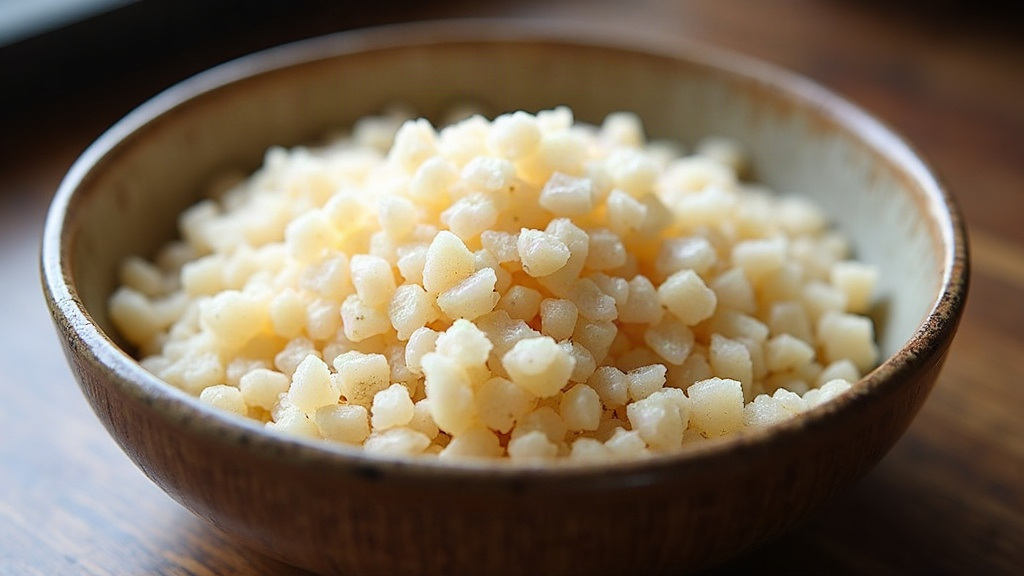
If you’re trying to whip up a quick sweet white miso (shiro miso) at home, the koji you pick, pearl barley (mugi koji) or rice koji (kome koji), will decide how fast it ferments, how sweet it ends up, and how smooth the finished paste feels in your mouth. The short version: rice koji gives you that classic, mellow, fast-fermenting sweet white miso most people picture when they hear “shiro miso,” while pearl barley koji leans nuttier, a bit chewier, and earthier, and it needs a little more time to mellow out. Let’s dig into what actually separates these two so you can pick the right one for your batch.
What “Quick Sweet White Miso” Actually Means
Sweet white miso (shiro miso) comes down to a few defining traits:
- A high koji-to-soybean ratio (often 2:1, sometimes even 3:1), which pushes starch-to-sugar conversion into overdrive
- A short ferment, usually 1 to 4 weeks at warm room temperature, nothing like the 6 to 18 months dark, salty misos need
- Low salt, around 5-6%, which lets fermentation keep moving and keeps the flavor soft and sweet instead of sharp
Since this whole process runs on enzymatic activity from the koji, the grain you start with ends up mattering a lot more than you’d expect. Swap rice for barley and you’re not just changing texture, you’re changing the clock.
Rice Koji: The Traditional Choice for Speed and Sweetness
Rice koji is made by inoculating steamed white rice with Aspergillus oryzae, and it’s the go-to base for shiro miso all over Japan, Kyoto-style white miso (Saikyo miso) in particular.
Why it’s so good for a quick sweet batch:
- Rice starches convert into simple sugars with real efficiency, which is where that glossy, almost custard-like sweetness comes from
- Amylase activity runs high and steady, which trims down the saccharification window considerably
- The finished paste comes out smoother and paler, great for glazes, dressings, or anything where you want that quick-ferment profile
Best for: anyone chasing an authentic, mellow, dessert-like miso in under a month, or a recipe that specifically calls for “shiro miso” (think delicate dashi-based miso soup, nasu dengaku, or miso butter melted over grilled corn).
Pearl Barley Koji: Nuttier, Earthier, Slightly Slower
Mugi koji is pearl (hulled) barley inoculated with the same koji mold. It’s the backbone of Kyushu-style barley miso (mugi miso), which usually ages longer and comes out saltier, but nothing stops you from adapting it into a quick sweet version too.
What shifts when you switch to barley:
- Barley’s starch structure is different, and it carries more fiber, so saccharification tends to run a touch slower and less evenly than with rice
- Flavor drifts toward nutty, toasty, almost faintly earthy, rather than that clean, pure sweetness
- Texture stays somewhat rustic or grainy even after blending, unless you run it through a food processor for a good while longer
Best for: anyone after a more layered, less one-note sweet miso, or who actually wants the gluten in barley koji for the distinct character it brings to marinades and glazes.
Side-by-Side Comparison
| Factor | Rice Koji | Pearl Barley Koji |
|---|---|---|
| Fermentation speed | Faster (1-3 weeks typical) | Slightly slower (2-4 weeks) |
| Sweetness | Very sweet, clean | Moderately sweet, nutty undertone |
| Color | Pale cream/white | Slightly deeper tan |
| Texture | Smooth, glossy | Slightly coarser |
| Gluten | None | Contains gluten |
| Traditional use | Kyoto-style shiro miso | Kyushu-style mugi miso (usually aged longer) |
Practical Tips for a Quick Batch
- Go with a 2:1 or higher koji-to-soybean ratio no matter which koji you’re using. That ratio is what actually drives the fast sweetness.
- Keep the temperature around 25-30°C (77-86°F) for that first week to speed up enzyme activity. A yogurt maker works, or just an oven with the light left on.
- Blend it well if you’re using barley koji. A food processor does a lot of work smoothing out that grainier texture.
- Start tasting at day 10, then check every few days afterward. Sweet white miso is meant to be eaten young, usually within 2-4 weeks, not left to age for months.
- Don’t skimp on the salt math. Stick to 5-6% by total weight. Go lower and you risk stalling the whole sweet fermentation.
Which Should You Choose?
If speed and that classic sweet, pale miso flavor are what you’re after, pick rice koji. It’s simply more forgiving and more predictable, especially if this is your first attempt. If you’d rather have depth, a slightly rustic texture, and a nutty edge, and you don’t mind waiting an extra week or two, pearl barley koji is worth the patience, particularly once you’ve already got basic miso fermentation under your belt.
Conclusion
Both pearl barley koji and rice koji can turn into a genuinely delicious quick sweet white miso, but they’re not interchangeable, not in flavor, and not in timing. Rice koji stays the faster, sweeter, more traditional pick for shiro miso, while pearl barley koji pays off your patience with something nuttier and more complex. If this is your first batch, start with rice koji. Once you’ve nailed the basic technique, barley koji is a solid next step into new flavor territory.