Lacto-Fermenting Sunchokes with Caraway to Reduce Bloating
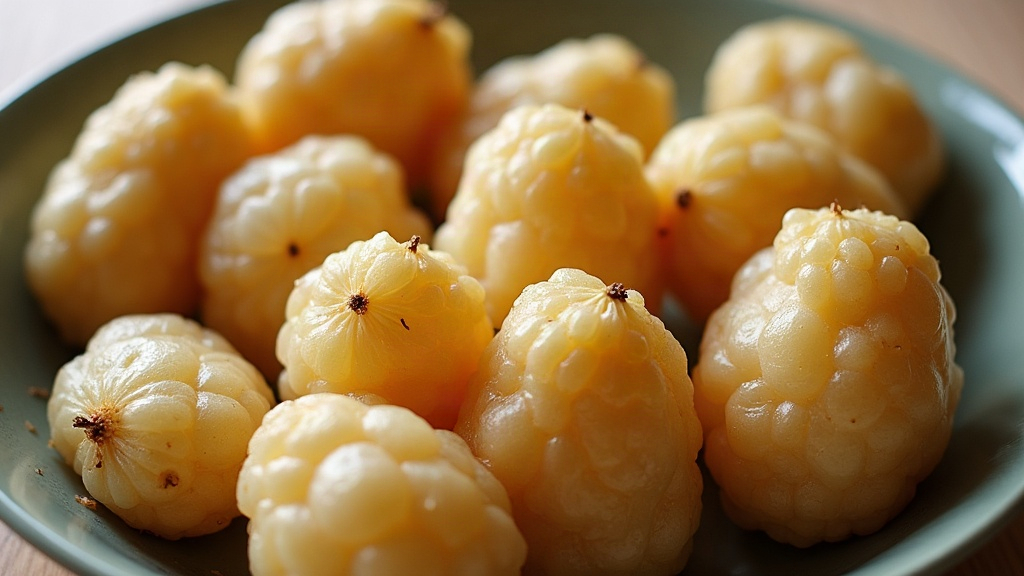
Lacto-fermenting sunchokes with caraway seeds is one of the most reliable tricks for enjoying this knobby little root without paying for it an hour later. The process relies on friendly bacteria to partially break down inulin, the fiber behind most sunchoke-induced bloating, while caraway’s natural oils settle the gut even further. What you end up with is a crunchy, tangy, deeply savory ferment that bears zero resemblance to the “fartichoke” reputation sunchokes have dragged around for years.
Why Sunchokes Cause Bloating in the First Place
Sunchokes (Jerusalem artichokes) get praised for their nutty, water-chestnut-like crunch, but they store their energy as inulin instead of starch. Here’s the problem: human digestive enzymes simply can’t touch inulin. It passes through the small intestine untouched and arrives in the colon still whole, where resident bacteria go to work on it fast, producing gas, cramping, and that uncomfortable tight-belly feeling in sensitive eaters.
This is exactly where fermentation earns its keep. By introducing lactic acid bacteria (LAB) to the sunchokes before they ever hit your plate, you move the fermentation process to a jar on your counter instead of letting it happen inside your gut.
How Fermentation Reduces Inulin’s Bloating Effect
- Pre-digestion: LAB cultures feed on sugars and a portion of the inulin chains, snipping long fructan molecules into shorter, more manageable fragments.
- Lactic acid production: The acidity built up during fermentation softens fiber structures, which makes them easier on the digestive tract.
- Probiotic boost: The live cultures in a finished ferment support a healthier gut microbiome over time, improving your tolerance for fibrous foods generally, inulin included.
- Caraway’s carminative effect: Caraway seeds carry carvone and limonene, two compounds long used to ease intestinal gas and cramping. It’s a natural match for a vegetable this fiber-heavy.
Fermentation won’t wipe out inulin completely (nothing really does, short of cooking it to mush), but most people report a noticeable drop in bloating compared to eating sunchokes raw or roasted.
Basic Recipe: Lacto-Fermented Sunchokes with Caraway
Ingredients
- 1 lb (450g) sunchokes, scrubbed well
- 1 tablespoon caraway seeds
- 2–3 garlic cloves, smashed (optional)
- 1 bay leaf
- Filtered, non-chlorinated water
- Non-iodized salt (sea salt or pickling salt)
Brine Ratio
Go with a 2.5% brine: 25g salt dissolved in 1 liter (1,000ml) of water. A kitchen scale makes this far less fussy than guessing with tablespoons.
Steps
- Slice the sunchokes into 1/4-inch rounds or quarters. Thinner pieces ferment faster and end up with a more even texture.
- Pack the jar: layer the sunchokes with caraway seeds, garlic, and the bay leaf in a clean wide-mouth jar.
- Pour the brine over everything, leaving about an inch of headspace. Submerge the vegetables fully with a fermentation weight, otherwise the exposed bits will mold.
- Cover loosely with an airlock lid, or just a cloth secured with a rubber band if that’s what you’ve got.
- Ferment at room temperature (65–75°F / 18–24°C) for 5 to 10 days. Check in daily for bubbling, and start tasting around day 5.
- Taste test: the sunchokes are done when they’re pleasantly sour, a little fizzy on the tongue, and still crisp (not mushy).
- Refrigerate once they hit the flavor you want. They’ll hold for 2 to 3 months in the fridge and keep mellowing the whole time.
Tips for Best Results
- Pick firm, unblemished sunchokes. Soft or sprouting tubers ferment unevenly and can turn mushy before the flavor develops.
- Don’t skip the caraway. It’s not just a flavor note; the essential oils genuinely help with digestion.
- Go slow if you’re sensitive. Even fermented, introduce sunchokes gradually. A tablespoon or two per serving is a sensible starting point, not a whole bowlful.
- Watch the room temperature. Warmer kitchens speed things along but also cloud the brine faster. That’s normal fermentation activity, not spoilage.
- Know the real spoilage signs (rare, but worth knowing): pink or black mold, a foul smell that’s nothing like the usual sour tang, or a texture that’s gone mushy all the way through. If something seems off, just toss it. It’s not worth the risk.
How to Use Fermented Sunchokes
- Chopped into grain bowls or potato salad for crunch and acidity
- Served on a charcuterie or cheese board
- Blended into a tangy yogurt-dill dip
- Tucked into sandwiches in place of pickles
Frequently Asked Questions
Do fermented sunchokes still cause gas? Some people notice mild effects, especially with bigger portions, but most report a substantial improvement over eating them raw or cooked.
Can I use other spices instead of caraway? Sure. Fennel seed, dill seed, or cumin all offer similar carminative properties, though caraway’s earthy bite pairs particularly well with the nutty flavor of sunchokes.
How long should I ferment for maximum inulin breakdown? Longer ferments, say 8 to 10 days, generally give the microbes more time to work on the fiber. That said, let your own taste and texture preference be the real guide.
Final Thoughts
Lacto-fermenting sunchokes with caraway seeds turns a notoriously gut-unfriendly vegetable into something probiotic, easy to digest, and genuinely good to eat. A simple brine, a bit of patience, and the right spice pairing, that’s really all it takes to enjoy sunchokes’ odd, nutty flavor without the discomfort that usually tags along afterward.