Adapting Milk Kefir Grains to Fresh Coconut Water Kefir
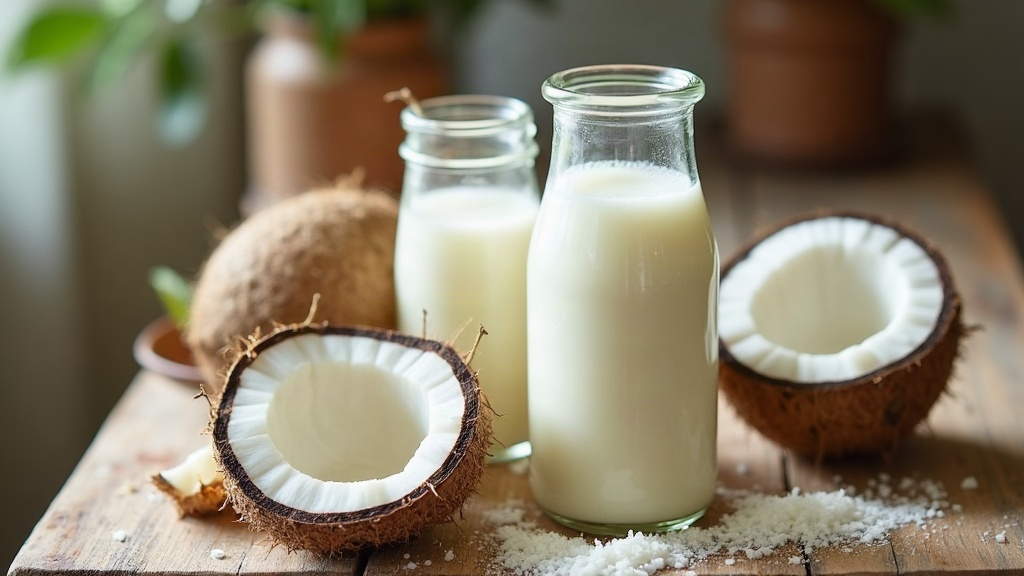
Adapting milk kefir grains to ferment fresh coconut water is doable, but you can’t just dump them in and hope for the best. Milk kefir grains are wired to feed on lactose, not the simple sugars floating around in coconut water. Rush the switch and the culture weakens, slows down, or quits fermenting entirely. Below is how to shift your grains over without starving them, what warning signs to watch for, and how to keep them healthy whether you’re going permanent or just curious enough to experiment.
Why Milk Kefir Grains Struggle With Coconut Water
Milk kefir grains are a symbiotic colony of bacteria and yeast (a SCOBY) held together in a polysaccharide matrix. Across generations, this little ecosystem adapts to whatever nutrients dairy milk provides: mostly lactose, plus milk proteins and fats.
Coconut water is a different world altogether:
- No lactose - the bacteria strains that specialize in breaking down milk sugar have nothing to chew on.
- Lower protein content - milk proteins buffer pH and feed certain yeast strains; coconut water doesn’t offer that cushion.
- Different mineral profile - coconut water is loaded with potassium but misses the calcium and phosphate buffering milk gives for free.
That’s exactly why tossing milk kefir grains straight into coconut water usually ends in weak, flat, sluggish fermentation. Keep doing it batch after batch and you’ll genuinely starve the culture.
Can You Actually Do This Successfully?
Yes, with some caveats. True water kefir grains (tibicos) are the natural fit for coconut water since they already live in sugar-water environments. But plenty of home fermenters only have milk kefir grains sitting in the fridge and want to try something new with what they’ve got.
The trick is a gradual transition, not a hard switch. Think of it less like flipping a switch and more like weaning a baby off milk, slowly, with backup food on hand.
Step-by-Step Transition Method
1. Start With a Hybrid Ferment
Mix about 75% whole milk with 25% fresh coconut water for your first 2-3 batches. This keeps lactose within reach while easing the grains into coconut water’s sugar and mineral makeup.
2. Shorten Fermentation Cycles
Milk kefir usually needs about 24 hours at room temperature. During the transition, check in at 12-18 hours instead. Coconut water ferments faster, and if you leave it too long it can turn acidic or weirdly yeasty.
3. Gradually Shift the Ratio
Over the next batches, nudge the coconut water percentage up in 10-15% steps (75/25 → 60/40 → 50/50), and keep an eye on three things:
- Smell - mildly tangy is good; sour or boozy is a red flag.
- Texture - grains should stay plump and firm, not slimy or shrunken.
- Activity - light bubbling or a gentle fizz means fermentation is actually happening.
4. Add a Mineral Boost
Coconut water skips the calcium milk normally supplies, so drop in a pinch of unrefined sugar or a single raisin per batch. It gives the yeast side of the culture extra fuel and softens the mineral gap a bit.
5. Rotate Back to Milk Periodically
Even if full coconut water fermentation is the end goal, give the grains a “recovery batch” in milk every 4-5 cycles. It tops up their lactose reserves and keeps long-term nutrient deficiency from creeping in.
Signs the Culture Is Starving
Keep an eye out for these during the transition:
- Grains shrinking or turning mushy
- Fermentation crawling to a stop (48+ hours with barely any change)
- A sour, off, or boozy-yeasty smell instead of the usual tang
- Grains going translucent or dissolving at the edges
Notice any of this? Stop the coconut water experiments and put the grains back on 100% milk for at least a week before trying again.
Alternative: Keep Two Separate Cultures
A lot of experienced fermenters just skip the hassle and run two cultures side by side: milk kefir grains for dairy, and separately sourced water kefir grains for coconut water and other sugar-water ferments. No repeated adaptation stress, no guesswork, and both ferments turn out more consistent.
Conclusion
Milk kefir grains can learn to handle fresh coconut water, but only through a slow, watched transition that respects their need for lactose. A hybrid milk-coconut ratio, shorter fermentation windows, a little mineral support, and periodic trips back to milk are what keep the culture from starving. If coconut water kefir is really what you’re after long-term, grabbing a dedicated batch of water kefir grains will save you a lot of trial and error.