Safe Incubation Temperatures for Vegan Mushroom Garum Over 60 Days
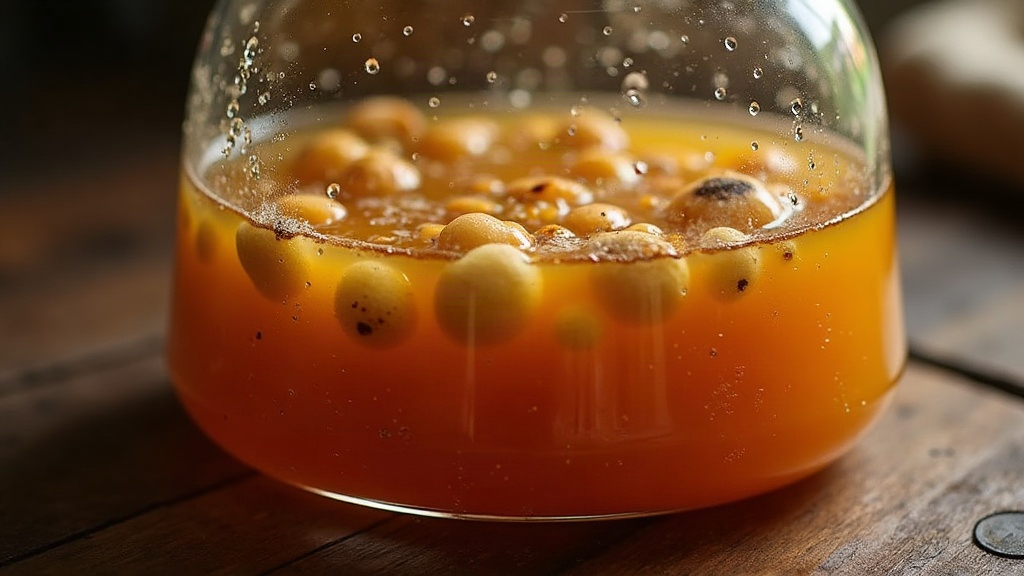
Making vegan mushroom garum over 60 days is a slow game of patience, and the whole thing hinges on one variable more than anything else: temperature. Keep it steady. The short version: 50–60°F (10–15°C) for most of the 60-day stretch, with an optional warm kick-start at 113–122°F (45–50°C) for the first 48 hours if you’re using koji to get the enzymes moving. Stay in those windows and you’ll keep spoilage organisms at bay while still letting the mushrooms’ proteins and glutamates break down into that deep, savory umami garum is famous for.
Why Temperature Control Matters So Much
Garum, traditionally a fermented fish sauce, works through autolysis and enzymatic digestion rather than lactic acid fermentation. A vegan version built from mushrooms (shiitake, king oyster, or a blend of both) plus koji (Aspergillus oryzae) and salt follows the same basic script: enzymes slowly chew through proteins and sugars, turning them into amino acids and simpler compounds that taste salty, savory, and deep.
There’s no fast acid drop here like you’d get in sauerkraut or kimchi, so salt and temperature are really your only safety levers. Go too cold and the enzymes crawl, which opens the door to mold or stalled, off-flavor fermentation. Go too warm and you’re asking for trouble:
- Putrefaction instead of controlled breakdown
- Unwanted bacteria muscling out the microbes you actually want
- Rancid or ammonia-like smells when protein degradation goes sideways
The Two-Phase Temperature Approach
Phase 1: Koji Activation (Day 0–2)
If your recipe calls for koji-inoculated rice or barley to supply enzymes, keep this starter phase warm, almost tropical:
- Target: 113–122°F (45–50°C)
- A yogurt maker, a dehydrator on low, or an oven with just the light on will all do the job
- Check every 8–12 hours. Koji can overheat fast in a closed container, sometimes within a single afternoon if the spot is warm
This early heat kicks amylase and protease production into gear before you mix everything with mushrooms and salt brine.
Phase 2: Long Fermentation (Day 2–60)
Once mushrooms, koji, and salt (usually 10–15% of the total weight) are combined into a mash or brine, switch gears. Move it somewhere cooler and, more importantly, stable:
- Ideal range: 50–60°F (10–15°C)
- A cool pantry, a cellar, or an old wine fridge all work fine
- Don’t let it sit above 70°F (21°C) for long stretches. At that point you’re speeding up spoilage faster than you’re building flavor
Some fermenters crank the heat to 85–95°F (30–35°C) to squeeze the whole process into 2–3 weeks. It can be done. But a full 60 days at cooler temps gives you a rounder, smoother umami with fewer harsh edges.
Signs Your Temperature Is Off
- Too warm: a sharp ammonia smell, slime on the surface, gas bubbling up fast, mold that looks fuzzy rather than powdery
- Too cold: almost no liquid separating out by day 30, a flat or muted aroma, barely any bubbling at all
Monitoring Tips
- Use a digital probe thermometer sitting inside the vessel itself, not just a reading of the room around it
- Stir the mash once a week to spread heat and microbes evenly
- Keep a simple log, just jot down the temperature every few days. It’s the first thing you’ll want to check if something smells wrong later
- If a heatwave hits, move the container to the basement or tuck ice packs around it (never inside the ferment itself)
Salt as a Safety Backup
Temperature isn’t the only thing keeping this safe. A salt level of 10–15% by weight matters just as much, no matter what the thermometer says. It holds back pathogenic bacteria while letting the good enzymatic work continue underneath. Don’t cut the salt to rush things along. That’s probably the single most common mistake people make with garum-style ferments, and it’s the one that actually matters.
When Is It Done?
By day 60, sitting at 50–60°F, you’re looking for:
- A rich brown liquid pulling away from the solids
- An aroma that’s deep and umami, a little funky maybe, but never putrid
- The mushroom solids visibly thinning and breaking down
Strain it, pasteurize gently if you want it to last longer (160°F/71°C for a few minutes does the trick), then bottle.
Conclusion
Vegan mushroom garum asks for patience more than skill. Warm up the koji activation (113–122°F), then settle the whole batch into a steady 50–60°F for the full 60 days. Get the salt right, check in on it regularly, and that temperature discipline is really what separates a safe, richly savory garum from a batch you’ll end up tossing out.