Foraging Green Pine Cones for Mugolio: A Beginner's Syrup Guide
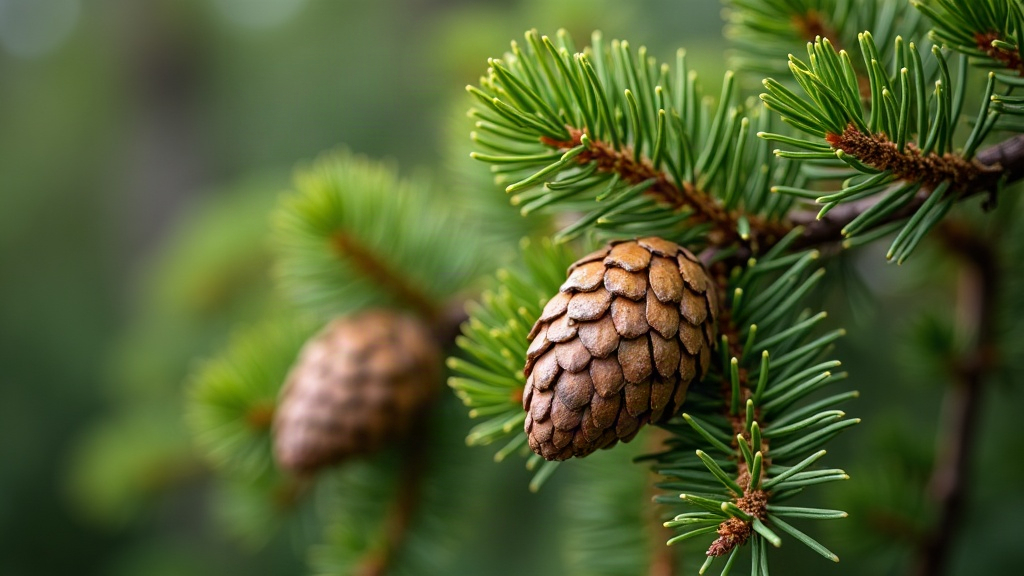
Mugolio is a traditional Italian syrup made by fermenting young green pine cones with sugar over several months. The result is a resinous, honey-like liquid that somehow tastes like forest, citrus, and caramel at the same time. This guide covers finding and harvesting the right cones, the classic fermentation method, and what to actually do with the syrup once it’s ready. Everything a beginner needs to make a batch this spring.
What Is Mugolio?
Mugolio (sometimes called pinolio or pine cone syrup) comes from the Dolomites in northern Italy, where foragers traditionally used cones from mountain pine (Pinus mugo). These days home fermenters get great results from all kinds of pine species: Scots pine, Austrian pine, even young cones pulled from ornamental trees in the garden. The process itself isn’t complicated. Layer whole green cones with sugar in a jar, let the sun draw out sap and juice, and let wild fermentation do the rest, turning it into a thick, aromatic syrup over weeks.
Unlike pine needle syrup, which relies on boiling the needles, mugolio depends on the cone’s own enzymes and wild yeasts. It’s a slow, hands-off fermentation, closer in spirit to a lacto-ferment than to a quick infusion.
When and Where to Forage Green Pine Cones
Timing makes or breaks a batch of mugolio. What you’re looking for:
- Young and green, harvested late spring to early summer, before the scales harden and brown
- Soft enough to slice. A fingernail or a knife should go through with barely any resistance. If the cone fights back, it’s already too mature
- Small to medium, about 1 to 2 inches (3 to 5 cm), still closed tight
- Resinous and fragrant. Cut one open. If it smells strongly of pine sap, that’s exactly what you want
Check pine trees in parks, along forest edges, or in your own backyard. Skip anything growing near busy roads (exhaust and runoff settle on those cones) and never take from ornamental plantings that might have been sprayed. Also double-check you’re actually dealing with a pine (genus Pinus): needles grow in bundles of two, three, or five. If you see single flat needles instead, you might be looking at a yew or fir, and some of those are toxic.
Grab more cones than you think you’ll need. Once sliced and packed into a jar, they shrink down fast.
Basic Mugolio Recipe
Ingredients
- Fresh green pine cones, enough to loosely fill your jar
- Granulated sugar, roughly matching the cones in weight (or just 1:1 by volume if that’s easier)
Method
- Rinse and dry the cones gently. No scrubbing needed, just knock off any debris.
- Slice each cone in half or quarters, lengthwise. This opens up the resinous interior and gets fermentation moving faster.
- Layer cones and sugar alternately in a clean glass jar. End with a thick layer of sugar on top, since that helps keep mold at bay.
- Cover loosely, either with a cloth or a lid left slightly ajar. The jar needs airflow, but you still want to keep bugs and dust out.
- Set it in direct sunlight, whether that’s a windowsill or a spot outside. Daily heat speeds up sap extraction considerably.
- Stir or shake gently every few days, particularly in the first week or two, to keep sugar dissolving evenly and stop mold from forming on the surface.
- Give it 4 to 8 weeks, longer if you want a more intense flavor. Over that time the mixture shifts from pale to amber, then to a deep reddish-brown, thickening into syrup as the sugar dissolves into the released juice.
- Strain through fine mesh or cheesecloth, pressing to squeeze out every last drop. The spent cones can go in the compost, or toss them into a simmering pot on the stove for a nice piney scent around the house.
- Bottle the syrup in sterilized jars and keep it in the fridge.
Troubleshooting Common Issues
- Mold forms on top: Scoop it off right away, add a fresh layer of sugar, and move the jar somewhere sunnier.
- No liquid is forming: The cones were probably too mature to begin with, or the spot is too cool. Try a warmer, sunnier location.
- It smells off (rather than pleasantly resinous or fruity): Toss it and start over with cleaner jars and fresher cones.
How to Use Mugolio
This stuff is potent, so a spoonful usually does the job:
- Drizzle over yogurt, ricotta, or vanilla ice cream
- Stir a spoonful into hot tea or sparkling water for a piney kind of soda
- Swap it in for simple syrup in cocktails
- Use as a glaze on roasted root vegetables or pork
- Swirl into oatmeal or pancake batter in the morning
Conclusion
Mugolio rewards patience more than any particular skill. It’s not a hard project, just a slow one, and it turns a foraged spring ingredient into something you genuinely cannot buy at a store. Start small, keep an eye on how the color deepens week by week, and by late summer you’ll have a jar of syrup that tastes like the forest itself.