Lacto-Fermenting Chayote Squash with Cinnamon and Cloves
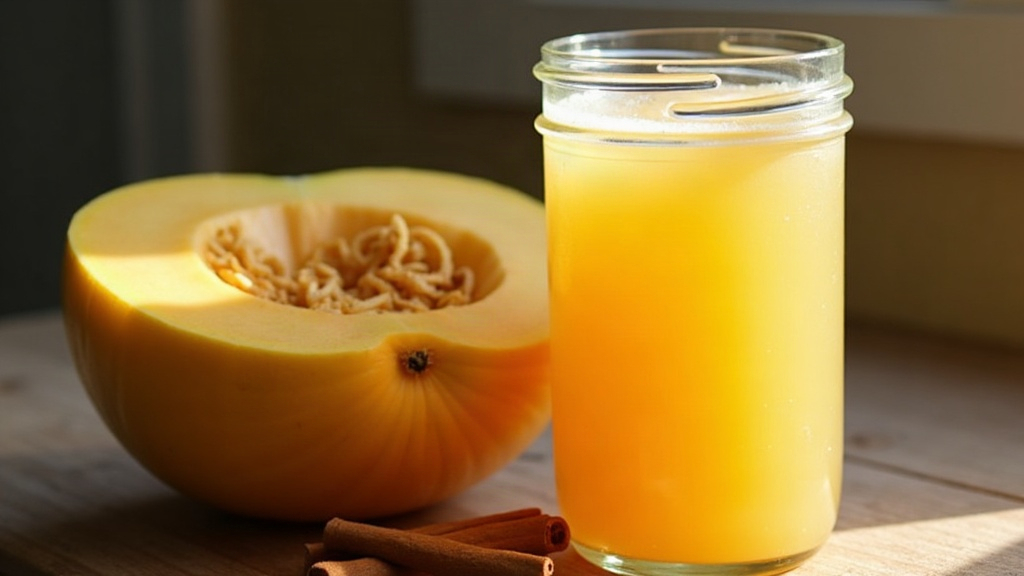
Lacto-Fermenting Chayote Squash with Cinnamon and Cloves as a Low-Carb Apple Substitute
Chayote squash isn’t exactly famous for its flavor. On its own it’s watery, a little bland, the kind of vegetable people forget they bought. But ferment it with cinnamon and cloves and something strange happens: it starts tasting like spiced, tangy apple, minus the sugar and carbs. This guide covers why chayote pulls off this trick so well, how to brine and spice it properly, how long to let it sit, and what to do when things go sideways in the jar.
Why Chayote Makes a Surprisingly Good Apple Substitute
Chayote (you might know it as mirliton or christophine) is a pale green, pear-shaped squash that tastes mild, almost like cucumber, with a crisp bite when raw that genuinely resembles apple. That crunch is the whole trick. Once brined and spiced, chayote behaves a lot like tofu: it has so little character of its own that it just soaks up whatever flavors you throw at it.
Look at the numbers side by side:
- Apple: roughly 14g net carbs per 100g
- Chayote: roughly 4-5g net carbs per 100g
That gap matters if you’re on keto, counting carbs, or managing blood sugar, and you still crave something like spiced apple compote, pickled apple rings, or apple chutney.
During fermentation, lactic acid bacteria break down some of the natural sugars into lactic acid. This does a few things at once:
- adds a bright, tangy sourness close to a fermented apple slice
- keeps the texture crisp instead of letting it turn mushy
- builds up beneficial probiotics that support gut health
- preserves the squash naturally for weeks, no added vinegar needed
Pair that with cinnamon and cloves (the same duo behind every apple pie you’ve ever had) and you end up with something that tastes uncannily like a spiced apple pickle.
Ingredients (Makes About 1 Liter)
- 2-3 medium chayote squash, peeled and sliced into thin wedges or cubes
- 1 cinnamon stick (or 1 tsp ground cinnamon)
- 4-6 whole cloves
- 1 tbsp non-iodized sea salt
- 500 ml filtered, chlorine-free water
- Optional: a thin slice of apple or a splash of apple cider vinegar to kick in some extra wild yeasts
Step-by-Step Method
1. Prep the Chayote
Peel it under running water. The flesh releases a sticky sap that sticks to knives, cutting boards, and your hands if you’re not careful. Scoop out the central seed, then cut the flesh into even pieces, about 1 cm each. Even cuts matter more than you’d think: they ferment at the same rate and pick up spice flavor evenly instead of some pieces ending up bland and others overpowering.
2. Make a 2% Brine
Stir the salt into the water until it’s fully dissolved, no granules sitting at the bottom of the jar. A 2% brine hits the sweet spot: strong enough to keep mold and unwanted bacteria out, mild enough that the lactic acid bacteria you actually want can get to work.
3. Layer and Season
Pack the chayote into a clean, sterilized jar, tucking the cinnamon stick and cloves between the layers as you go. Don’t just toss the spices on top and call it done. Spreading them through the jar means the flavor reaches every piece instead of pooling near the surface.
4. Submerge and Weight
Pour the brine over everything until it’s fully covered, leaving about 2 cm of headspace at the top. Use a fermentation weight, or a clean cabbage leaf if that’s what you’ve got, to hold every piece below the liquid. Even one chayote chunk poking above the brine is enough to grow mold within a couple of days.
5. Ferment at Room Temperature
Cover with an airlock lid, or just set a regular lid on loosely, and leave it at 18-22°C (64-72°F) for 5 to 10 days:
- Day 3-4: mild tang, still very crisp
- Day 6-7: balanced apple-cinnamon flavor, the sweet spot for most people
- Day 10+: sharper sourness, softer bite
Start tasting with a clean fork around day 3 and check daily after that. Pull it once it tastes the way you want. Keep in mind that room temperature, jar size, and how much spice you used will all nudge the timeline one way or the other.
Troubleshooting Common Issues
White film or mold on the surface: Nine times out of ten this means a piece floated above the brine line. Push everything back under with your weight, top off with fresh 2% brine if the level dropped.
Not sour enough after a week: Your room is probably too cold. Move the jar somewhere warmer (just stay under 24°C/75°F) or give it a few extra days.
Metallic or off taste: Keep metal lids from touching the brine directly. Stick with glass, ceramic, or food-safe plastic fermentation lids.
Mushy texture: Cut the pieces a bit thicker next round, or shorten the ferment by a day or two. Chayote softens faster than cucumber once the lactic acid starts building up.
Spice flavor too faint: Snap the cinnamon stick in half and crush the cloves lightly before adding them. Whole, uncracked spices release flavor painfully slowly.
How to Use Fermented Cinnamon-Clove Chayote
Don’t let it sit forgotten in the fridge. It’s more versatile than it looks:
- Spoon it over plain yogurt or skyr as a low-carb stand-in for apple compote
- Toss chopped pieces into grain-free bowls with chicken, pork, or tofu
- Lay it next to a cheese board for a tangy, spiced contrast
- Eat it straight out of the jar as a crunchy, low-calorie snack
Once it hits the sourness you like, move the jar to the fridge. Cold slows fermentation way down, and the chayote keeps for 4 to 6 weeks, mellowing and deepening in flavor the longer it sits.
Conclusion
Lacto-fermenting chayote with cinnamon and cloves costs almost nothing and takes barely any effort, yet it gives you something genuinely hard to buy anywhere: a probiotic, apple-flavored pickle that fits a low-carb or keto plate without a fuss. A handful of ingredients, a basic 2% brine, about a week of waiting, and you’ll have a jar you’ll want to keep refilling.