Lacto-Fermented Watermelon Rinds with Ginger and Clove
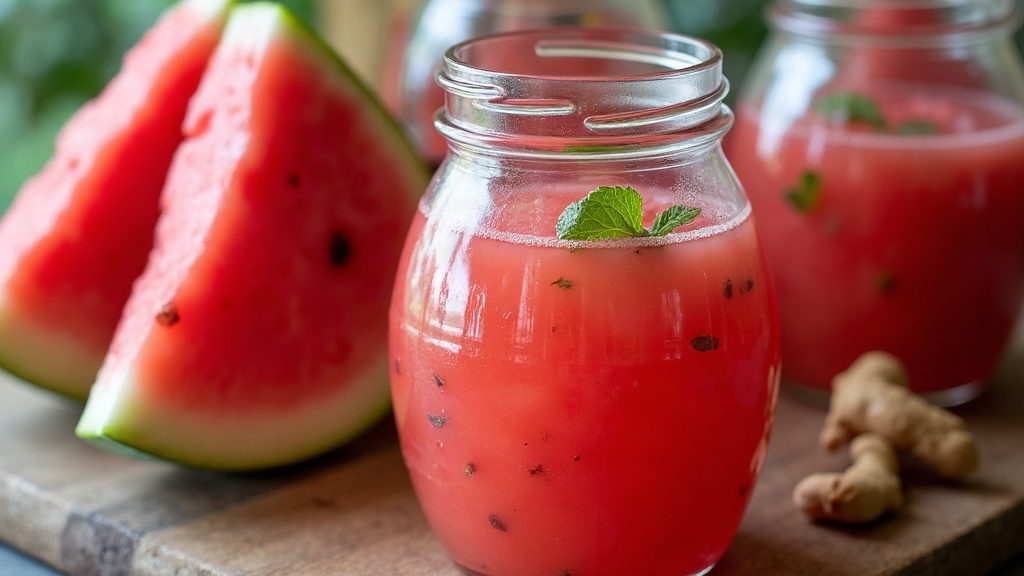
Lacto-fermenting leftover watermelon rinds with ginger and clove turns something you’d normally toss into a crisp, tangy, gut-friendly snack. No vinegar, no food waste, nothing fancier than a jar and some salt. If you’ve ever chucked a rind straight into the compost bin without a second thought, this brine ferment gives it an actual reason to stick around.
Why Ferment Watermelon Rinds?
Most people peel off the pale rind and bin it without thinking twice. That’s a shame, because it’s full of fiber, has a mild cucumber-like crunch, and holds up remarkably well in a salt brine. Lacto-fermentation relies on the same lactic acid bacteria that give us sauerkraut and old-school dill pickles, preserving the rind while coaxing out a sour, spicy, genuinely complex flavor.
Here’s what makes it worth trying:
- Zero food waste — you’re using the part of the fruit that almost always ends up in the trash
- Gut-friendly — live cultures help digestion in a way vinegar pickles simply can’t
- Budget-smart — basically free if you’re already buying watermelon
- Customizable heat and spice — ginger and clove bring warmth without drowning out the rind’s faint sweetness
What You’ll Need
- 2–3 cups trimmed watermelon rind (peel off the outer green skin, trim away the pink flesh, keep only the firm white part)
- 2–3 tablespoons fresh ginger, thinly sliced or julienned
- 4–6 whole cloves
- 1 tablespoon non-iodized salt (sea salt or kosher) per 2 cups water
- Filtered or dechlorinated water
- A clean quart-sized glass jar, plus a fermentation weight or a small cabbage leaf to keep everything submerged
- Optional: a clove of garlic, a pinch of chili flakes, or a few black peppercorns if you want more depth
Step-by-Step Method
1. Prep the Rind
Cut the rind into spears, cubes, or thin strips, roughly ¼-inch thick. Thinner pieces ferment faster and pick up flavor sooner. Thicker chunks take longer but stay crunchier, so pick based on how patient you’re feeling.
2. Make the Brine
Dissolve the salt completely in water, aiming for a 2-3% salinity (about 1 tablespoon per 2 cups water). Stick to non-iodized salt. Iodine and anti-caking agents in regular table salt can quietly sabotage the whole fermentation.
3. Pack the Jar
Layer the rind, ginger, and cloves into the jar. Pack it snugly, but don’t mash things down. Pour the brine over until every piece is fully covered. This part really matters: any rind poking above the liquid is an open invitation for mold.
4. Weigh It Down
A fermentation weight works, but so does a small shot glass or a trimmed cabbage leaf pressed on top. Whatever you use, the goal is simple: keep the rinds under the brine line the whole time.
5. Ferment
Cover loosely with a cloth, a coffee filter, or an airlock lid, then let it sit at room temperature (65–75°F / 18–24°C) for 3 to 7 days. Start tasting on day 3. You’re hunting for a pleasant tang, not sliminess and definitely not any funky off-smell.
6. Refrigerate
Once it tastes the way you like, move the jar straight to the fridge. The cold slows things way down, and honestly, the rinds just keep getting better for weeks afterward.
Troubleshooting Common Issues
- Cloudy brine: Totally normal. That’s the lactic acid bacteria at work, not a sign anything’s wrong.
- White film on top: Probably kahm yeast. Harmless, just skim it off. If you see anything fuzzy or colored, though, toss the whole batch.
- Too salty: Give it a quick rinse before eating, or dial back the salt a touch next time.
- Not sour enough: Let it sit at room temperature another day or two, especially if your kitchen runs cool.
Serving Ideas
Chop the fermented rinds and use them as:
- A crunchy topping for tacos or grain bowls
- A tangy addition to a charcuterie or pickle board
- A quick palate cleanser next to grilled meats
- A last-minute mix-in for fried rice or stir-fries
Conclusion
Fermenting leftover watermelon rinds with ginger and clove costs almost nothing in effort and pays off in flavor, all while stretching your summer produce and feeding some good bacteria along the way. Salt, water, a few aromatics, that’s it. Next time you slice into a watermelon, save the rind. You’ll be glad you did.