Fermenting Unripe Fuyu Persimmons into Tangy Autumn Vinegar
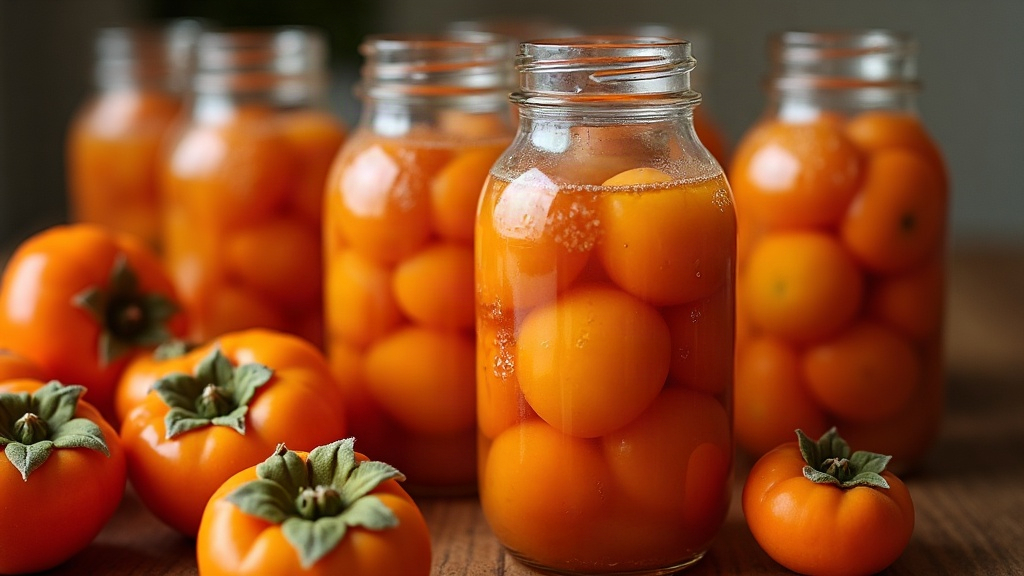
If your Fuyu persimmons turned out rock-hard, got knocked around in the fridge drawer, or started wrinkling before you got to them, don’t throw them out. Firm or slightly imperfect Fuyus are actually great candidates for fermenting into a bright, tangy autumn vinegar. It’s a slow, mostly hands-off project that turns “about to spoil” fruit into something you’ll be reaching for all winter.
Why Unripe Fuyu Persimmons Work So Well
Fuyu persimmons are sweet and non-astringent even while still firm, which sets them apart from Hachiya persimmons (those stay bitter and puckery until they’re basically jelly-soft). That sugar content already sitting in a firm Fuyu is exactly what wild yeast and acetic acid bacteria need to do their work, first turning fruit sugar into alcohol, then alcohol into vinegar. Using unripe or slightly bruised fruit isn’t just acceptable here, it’s actually the better choice:
- High sugar, low moisture breakdown, firm fruit holds its structure all the way through the ferment.
- No mushiness, overripe fruit collapses into mush and is a pain to strain later.
- Zero food waste, you’re rescuing fruit that usually gets tossed for looking “off.”
What You’ll Need
- 4–6 unripe or firm Fuyu persimmons (bruised spots are fine, just cut them out)
- Non-chlorinated water (chlorine will kill off the bacteria you’re trying to cultivate)
- 2–3 tablespoons raw sugar or honey (helps things along if your fruit isn’t super sweet)
- A wide-mouth glass jar
- A clean cloth or coffee filter plus a rubber band
- Unpasteurized apple cider vinegar or a vinegar “mother” (optional, but it speeds things up considerably)
Step-by-Step Fermentation Process
1. Prep the Fruit
Wash the persimmons, pull off the stems, and cut away any moldy or rotten patches. Chop into rough 1-inch chunks. No need to peel: a lot of the natural yeast you want is living right on the skin.
2. Build the First Ferment (Alcohol Stage)
Pack the chopped persimmons into your jar until it’s about two-thirds full. Pour in water until the fruit is fully submerged, leaving roughly 2 inches of headspace at the top. Stir in the sugar. Cover with a cloth and secure it with a rubber band, not a sealed lid. This stage needs airflow to work properly.
Set the jar somewhere dark, ideally around 65–75°F (18–24°C), and stir once a day to keep the fruit submerged and stop mold from taking hold. Within 3 to 5 days you should notice small bubbles forming and a faint, winey smell. That’s your yeast converting sugar into alcohol.
3. Strain and Move to the Second Ferment
After about a week, strain out the solids, pressing them gently to squeeze out the liquid. Pour the liquid into a clean jar. If you’ve got a splash of raw apple cider vinegar or a vinegar mother lying around, add it now, it introduces acetic acid bacteria and speeds up the conversion quite a bit. Cover with the cloth again.
4. Wait for the Vinegar to Develop
This part takes anywhere from 3 to 8 weeks, depending on how warm your kitchen is. The liquid will smell sharper and more sour as the alcohol turns into acetic acid. Don’t be alarmed if a thin, jelly-like film shows up on top, that’s a vinegar “mother” forming, and it’s a good sign, not mold.
- Taste-test weekly, starting around week 3.
- Mold check: fuzzy or colored spots mean toss it; a smooth, pale film is just the mother developing normally.
- Smell check: it should smell vinegary and tart, not like nail polish remover. That sharp acetone smell means it needs more time (or more oxygen).
5. Bottle and Store
Once it tastes tangy enough for you, strain out the mother (keep it in a little vinegar in the fridge to jump-start your next batch) and bottle the vinegar. Store it somewhere cool and dark, or in the fridge. It’ll keep for a year or more, and honestly the flavor mellows and rounds out nicely as it sits.
How to Use Persimmon Vinegar
- Whisk it into salad dressings with olive oil and a touch of maple syrup.
- Splash it over roasted root vegetables or squash right out of the oven.
- Use it as a bright, acidic note in braises or pan sauces.
- Mix with sparkling water for a homemade, autumn-flavored shrub drink.
Common Problems and Fixes
- No bubbling after a week: your kitchen’s probably too cold. Move the jar somewhere warmer, like near the fridge motor or on top of a cabinet.
- Vinegar tastes flat: give it another 2–3 weeks. Flavor keeps deepening the longer it sits.
- Fruit flies showing up: switch to a tighter-weave cloth for the cover.
Conclusion
Turning unripe Fuyu persimmons into vinegar is about as forgiving and low-cost a project as it gets, and it rescues fruit that would otherwise land in the compost bin. With a jar, some patience, and a few weeks of waiting, you end up with a tangy, fruity vinegar that keeps the taste of fall around long after the persimmons themselves are gone from the shelves.