Reducing Hop Burn in Dry-Hopped Hazy IPAs Using Shorter Contact Times
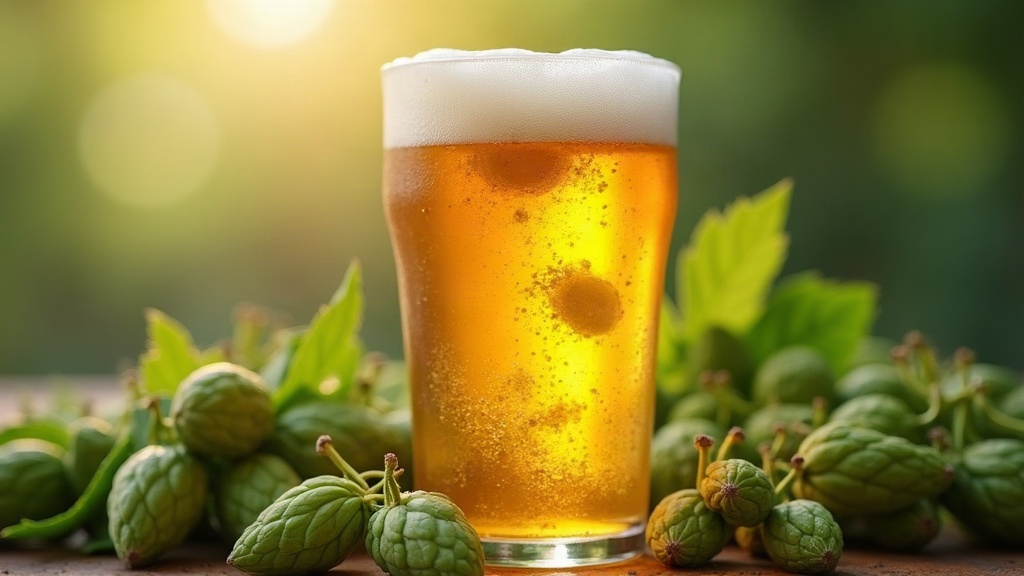
Hop burn is that harsh, astringent bite, almost peppery, that lingers at the back of your tongue and throat after one too many overloaded hazy IPAs. Here’s the good news: shortening your dry-hop contact time is one of the cheapest, most effective fixes you have. And no, you don’t have to give up that juicy aroma hazy IPA drinkers are chasing.
What Actually Causes Hop Burn
Hop burn isn’t one single villain. It’s a mix of extracted plant material ganging up on your palate. The main culprits:
- Polyphenols (tannins) from hop cone material, which accumulate the longer hops sit in beer
- Isohumulones and harsh iso-alpha acid derivatives, pulled out during prolonged contact, especially when temperatures run warm
- Vegetal, grassy compounds from chlorophyll and plant matter breaking down over time
- Excess hop creep byproducts: enzymes from hop material can slowly ferment residual sugars, spiking perceived heat and dryness
The longer hops sit in your fermenter, the more of these unwanted compounds leach into the beer, even while the aroma oils you actually want plateau or start to degrade.
Why Shorter Contact Times Work
Volatile aroma compounds (thiols, esters, terpene derivatives) extract fast, often within 24-48 hours. Polyphenols and harsh resinous material keep extracting well past that window. That’s the whole story in one line:
Aroma extraction peaks early. Harshness extraction keeps climbing.
Pull your hops earlier and you catch that peak aromatic window before the harsh stuff has a chance to catch up. That’s exactly why plenty of award-winning hazy IPA brewers have ditched the old 5-7 day dry hop in favor of a tighter 24-72 hour window.
Recommended Contact Time Ranges
| Goal | Suggested Contact Time |
|---|---|
| Maximum aroma pop, minimal harshness | 24–36 hours |
| Balanced aroma and body | 48–72 hours |
| Traditional (higher burn risk) | 5–7 days |
Start conservative. You can always throw in a second addition later. Undoing an over-extracted batch? Not possible.
Practical Techniques to Implement This
1. Dry Hop During Active Fermentation
Add hops during the last third of active fermentation (the so-called “biotransformation dry hop”) and yeast will convert certain hop oils into new aroma compounds. Meanwhile, CO2 scrubbing carries hop material out of solution faster, which naturally caps harsh extraction.
2. Use a Short, High-Dose “Hop Burst” Then Remove
Skip the long soak. Try a concentrated 24-48 hour contact at a slightly higher hop rate, then crash and pull the hops (hop spider, mesh bag, conical dump, whatever your setup allows) before harshness has time to build.
3. Crash Cool Immediately After Contact Window
Drop the temperature to 34-38°F (1-3°C) right after your target window closes. This slows further extraction and helps polyphenols and hop debris drop out of suspension faster.
4. Split Additions Instead of One Long Soak
Two shorter additions, say 24 hours during fermentation plus 24 hours post-fermentation, often give you a rounder, juicier aroma than one marathon 5-day soak.
5. Choose Lower-Tannin Hop Products
Cryo Hops, lupulin powder (LupoMax), and pellets with less bract material pull in far less plant matter than whole cone or leaf hops. Same timeframe, lower polyphenol load.
Signs You’re Already Getting Hop Burn
- A dry, scratchy sensation at the back of the throat after swallowing
- Bitterness that feels sharp or “spiky” instead of smooth
- Aroma that reads more grassy or vegetal than fruity
- Harshness that gets worse as the beer warms up in the glass
Recognize a few of these in your last batch? Cut your dry-hop time by 30-50% next round and see what happens. Cheap experiment, real payoff.
Conclusion
Hop burn is a timing problem dressed up as a hop-quantity problem. Aroma compounds extract faster than harsh polyphenols and resins, so shortening your dry-hop window, often down to just 24-72 hours, lets you grab peak juiciness while the harsh stuff gets left behind. Pair that with biotransformation dry hopping, a quick cold crash, and lower-tannin hop products, and you’ve got a hazy IPA that’s aromatic, smooth, and burn-free.