Dark Rye Kvass vs Fruit-Infused Bread Kvass: A Beginner's Guide
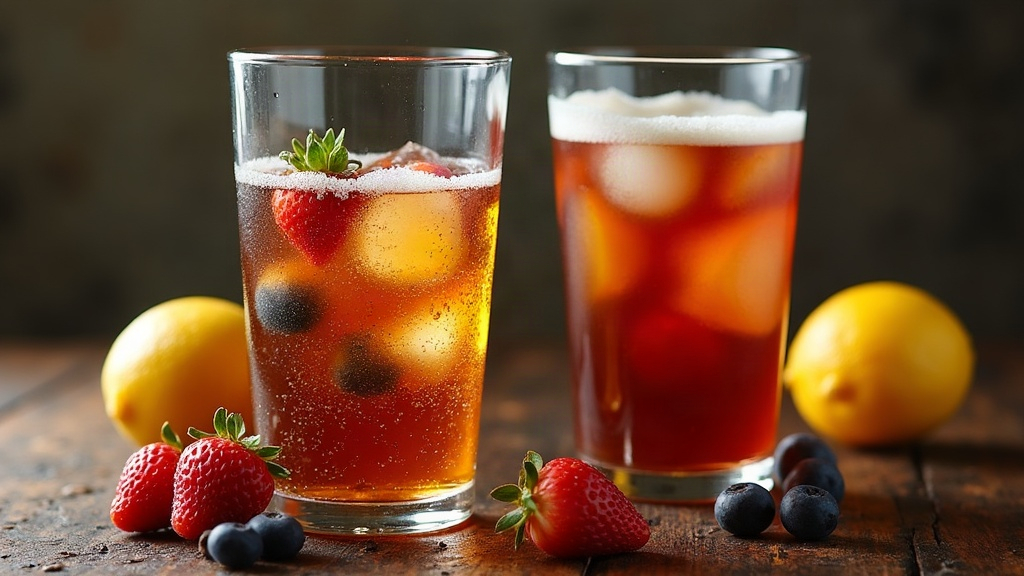
Kvass Showdown: Traditional Dark Rye vs. Fruit-Infused Bread Kvass
Kvass is Eastern Europe’s answer to kombucha, a mildly sour, lightly carbonated drink brewed from fermented rye bread or malt. Walk into any market in Kyiv or Minsk and you’ll mostly run into two styles: traditional dark rye kvass and fruit-infused bread kvass. The short version? Rye kvass is drier, earthier, and feels like a cousin of non-alcoholic dark beer. Fruit kvass is sweeter, brighter, and a lot friendlier if you’ve never tried this stuff before. Here’s a practical rundown to help you pick, buy, or even brew the right one.
What Is Kvass, Exactly?
Kvass is a low-alcohol drink (usually under 1.2% ABV) made by soaking stale or toasted rye bread in water, adding yeast and sometimes sugar, then letting fermentation run its course for one to three days. What comes out the other end is tangy, bready, faintly sour, and has been a fixture in Russia, Ukraine, Belarus, and Poland for centuries. We’re talking well before anyone had heard of a soda fountain.
Unlike beer, nobody’s brewing kvass to get tipsy. Think of it more as a fermented malt soda: refreshing, gently fizzy, often poured ice-cold from street-corner tanks during the hottest weeks of summer in Slavic cities.
Traditional Dark Rye Kvass
This is the “original” version, the one most grandmothers across Eastern Europe would recognize instantly.
Flavor profile:
- Deep, toasty, malt-forward
- Mild sourness from lactic acid fermentation
- Subtle bitterness, not unlike a dark rye crust
- Very low sweetness. Leans savory, not dessert-like at all
How it’s made:
- Dark rye bread gets dried or toasted to concentrate flavor and color.
- The toasted bread soaks in hot water, pulling out sugars and that malty character.
- Yeast (sometimes a sourdough starter too) kicks off fermentation.
- It ferments for 24 to 72 hours, then gets strained and lightly sweetened with sugar or honey.
Who it’s for: Fans of dark beer, sourdough, or plain kombucha without fruit flavoring. First-timers might need a sip or two to adjust. Once you do, the bready tang becomes genuinely addictive.
Fruit-Infused Bread Kvass
Consider this the gateway drug of kvass. Same bread-fermentation foundation, just built for easier drinking.
Flavor profile:
- Sweet-tart, often fruit-forward (think berries, raisins, apple, or citrus)
- Lighter on the tongue, less malty punch
- Carbonation that feels closer to a light soda or shandy
Common fruit additions:
- Raisins (the classic choice, adds natural sweetness plus extra fermentation sugars)
- Strawberries or cherries (a popular modern twist)
- Apple or pear (mellower, less tart)
- Mint or ginger (there for aroma, not fermentation)
How it’s made: Same bread-soaking and fermentation process as rye kvass, but fruit (fresh, dried, or as juice) goes in during secondary fermentation. This bumps up the sweetness, softens the bready bitterness, and adds a fruity aroma that covers up the “funk” that tends to put off beginners in the plain rye version.
Side-by-Side Comparison
| Feature | Dark Rye Kvass | Fruit-Infused Kvass |
|---|---|---|
| Sweetness | Low | Medium–high |
| Sourness | Noticeable, bready | Softer, fruit-balanced |
| Best for beginners | No | Yes |
| Alcohol content | ~0.5–1.2% | Usually under 0.5% |
| Serving temp | Ice-cold | Ice-cold |
| Flavor closest to | Dark beer, sourdough | Fruit soda, light cider |
Which Should You Try First?
New to fermented drinks? Start with fruit-infused bread kvass. The sweetness and fruity notes take the edge off the bready tang, so it doesn’t feel so foreign on the first sip. Once that clicks, move on to traditional dark rye kvass for something bolder and more authentic.
Already into kombucha, sour beer, or a good dark rye loaf? Skip the training wheels and go straight for the traditional version. Chances are you’ll appreciate the depth right away.
Buying Tips
- Look for bottles labeled “naturally fermented,” not “kvass-flavored soda.” A lot of mass-market options are really just dark soda with kvass flavoring slapped on, with zero actual fermentation involved.
- Read the ingredient list. Real kvass should show rye bread, water, yeast, and sugar (plus fruit, if it’s the infused kind), not corn syrup or artificial coloring as the headline ingredients.
- Refrigerated bottles with a short shelf life are usually the genuine, lightly fermented article. Shelf-stable versions tend to be pasteurized, which flattens out a lot of the tang.
Final Thoughts
Both styles trace back to the same fermented-bread tradition, but they’re really speaking to different taste buds. Rye kvass gives you something authentic, malty, and slightly sour, carrying centuries of Slavic brewing history in every glass. Fruit-infused kvass offers a lighter, sweeter way in for anyone just getting curious. Grab both next time you’re at the store. You’ll figure out pretty fast which one ends up living permanently in your fridge.