Mash Fermentation vs Whole Pepper Brining: Hot Sauce Guide
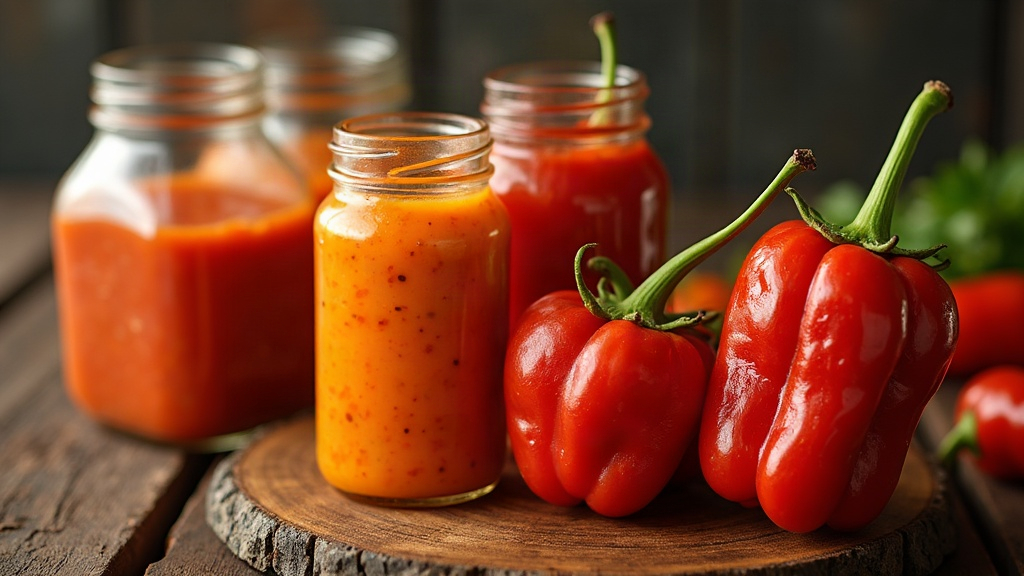
If you want a hot sauce with actual depth, funk, acidity, layered heat instead of just one flat burn, the method you choose matters just as much as the peppers you pick. The two go-to artisanal routes are mash fermentation (crushing peppers with salt into a pulp and letting lactic acid bacteria go to work) and whole pepper brining (dropping intact peppers into a saltwater solution and waiting). Same underlying science in both cases, but the texture, flavor, and timeline end up pretty different. Here’s how to figure out which one fits your next batch.
The Core Difference
- Mash fermentation: Peppers get stemmed, often seeded, then ground or crushed before salting (usually 2-3.5% salt by weight). All that exposed surface area speeds things up since bacteria can get at the sugars right away.
- Whole pepper brining: Peppers stay whole, sitting in a salt-water brine (typically 3-5% salinity). Things move slower here because the skin acts like a natural shield.
Both rely on Lactobacillus bacteria converting sugars into lactic acid, which preserves the peppers, drops the pH, and builds that tangy backbone you taste in something like Tabasco or Yellowbird.
Flavor Outcomes
Mash Fermentation
Since the flesh is broken down from the start, mash ferments move fast and tend to turn funky, winey, complex within 1-3 weeks. All that extra contact between salt, air, and (if sealed) anaerobic conditions opens the door to a wider range of microbial activity, which is where you get those odd little esters and acids showing up. This is basically the method behind most cult-favorite craft sauces, the ones where someone takes a bite and says “wait, is that cheese rind? Wine? Mango?”
Whole Pepper Brining
Brined peppers ferment slower and more evenly, giving you a cleaner, brighter heat with a lot less funk. Because the peppers hold their shape longer, this method is much more forgiving if you’re new to this, less chance of mold taking hold on exposed flesh, and you get more control over how sour things get. A lot of commercial “green” or jalapeño-style sauces go this route precisely because it keeps that fresh, vegetal brightness intact.
Texture and Processing
| Factor | Mash Fermentation | Whole Pepper Brining |
|---|---|---|
| Prep time | Higher (grinding/crushing) | Lower (just submerge) |
| Fermentation speed | Faster (1-3 weeks) | Slower (2-6 weeks) |
| Risk of mold | Moderate (needs weighting/anaerobic setup) | Lower (brine covers fully) |
| Final texture | Pulpy, blends smoothly | Firmer peppers, needs more blending |
| Flavor complexity | High, funky, variable | Clean, consistent, milder funk |
Equipment You’ll Actually Need
For mash fermentation:
- Food processor or molcajete for crushing
- Fermentation weights or an airlock lid (Masontops, Pickle Pipe, etc.)
- Non-reactive crock or wide-mouth jar
For whole pepper brining:
- A jar big enough to keep peppers fully submerged
- A fermentation weight to hold them under the brine line
- A simple cloth or airlock lid, something that lets CO2 escape but keeps contaminants out
You don’t need fancy gear for either one. Plenty of home fermenters start out with nothing more than a mason jar and a cabbage leaf wedged in as a makeshift weight.
Which Should You Choose?
- Go with mash fermentation if you’re after bold, complex, “craft” flavor and don’t mind extra prep work plus keeping an eye out for mold.
- Go with whole pepper brining if you’re just starting out, want something cleaner tasting, or you’re scaling up and need a process that doesn’t demand constant babysitting.
- Hybrid approach: Some makers brine whole peppers for 1-2 weeks first, then crush them and keep fermenting as a mash for another week. You get brining’s safety margin plus mash’s complexity.
Common Mistakes to Avoid
- Under-salting – both methods need enough salt (2-5%) to keep the bad bacteria down while letting Lactobacillus do its thing.
- Skipping pH checks – a reading under 4.0 tells you fermentation is safe; pH strips or a basic meter run $10-20 and they’re worth it.
- Skipping the weight – exposed flesh or peppers bobbing on the surface is basically an invitation for mold.
- Rushing it – flavor compounds take time to build. Tasting on day 5 tells you nothing about what day 21 will taste like.
Final Verdict
Mash fermentation gets you intensity and funk fast, and it rewards anyone chasing a distinctive, signature sauce. Whole pepper brining gives you control, consistency, and an easier learning curve, which makes it the better starting point for beginners or anyone after something cleaner and brighter. Most people who stick with hot sauce making long enough end up trying both, and quite a few settle on a hybrid that grabs the best parts of each. Whichever route you take, it’s patience and the right salt ratio that turn a forgettable batch into one people keep asking you to make again.