Ginger Beer Plant vs Ginger Bug: Flavor & Maintenance Compared
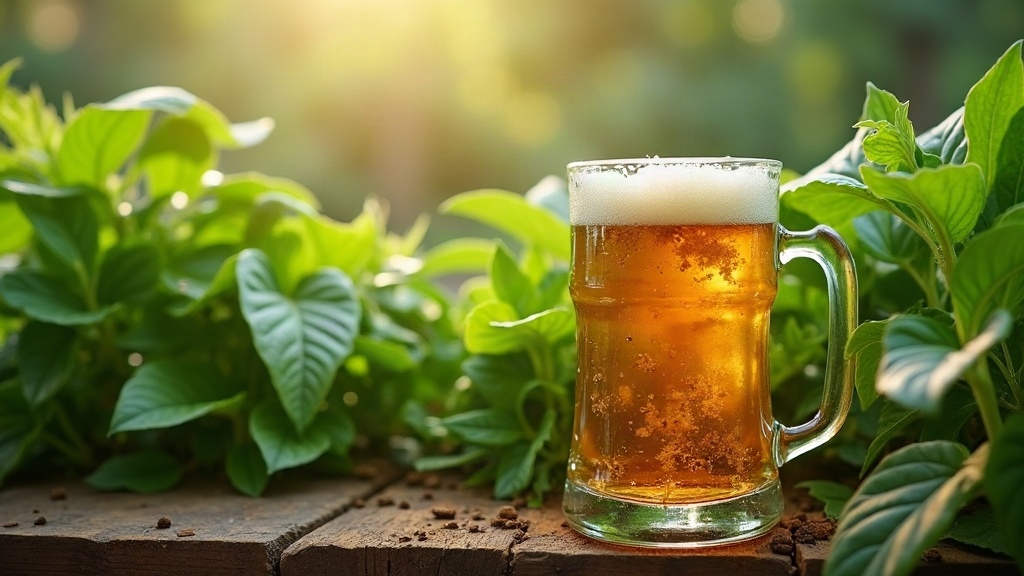
If you’ve spent any time down the ginger beer rabbit hole, you’ve probably hit the same fork in the road everyone does: the genuine ginger beer plant (GBP), a jelly-like blob of symbiotic bacteria and yeast, versus the ginger bug, a jar of grated ginger, sugar, and water that you feed like a needy houseplant. Both give you fizzy, tangy ginger soda. Both can carry a whisper of alcohol if you let them go long enough. But the flavor, the texture, the day-to-day upkeep? Quite different animals. Here’s what actually sets them apart, so you can pick the one that fits your kitchen and your patience level.
What Each Starter Actually Is
Genuine Ginger Beer Plant
A true GBP is a living community, historically pinned down as Saccharomyces florentinus yeast paired with Lactobacillus hilgardii bacteria, working together like an old married couple. Physically, it looks a bit like a kombucha SCOBY’s smaller, slightly rubbery cousin: gelatinous, growable, divisible. You feed it sugar and ground ginger, strain it on a schedule, then bottle the liquid for a second ferment. It’s a hands-on relationship, not a one-off project.
Ginger Bug
A ginger bug, by contrast, is a wild ferment you build from scratch in a jar: fresh grated ginger, sugar, water, mixed and fed daily until it starts bubbling on its own, usually somewhere between day 3 and day 7. No solid culture to babysit here. It’s just a slurry you keep topping up with more ginger and sugar. Once it’s fizzing away happily, you strain off some liquid to flavor sodas, other ferments, whatever you’re brewing that week.
Flavor Differences
- Genuine GBP: Rounder, tangier, more layered. There’s a yeasty-tart backbone that echoes old-school English ginger beer, and the lactobacillus throws in a subtle sourness, closer to a light farmhouse ale than to soda pop.
- Ginger Bug: Sharper, brighter ginger heat, less sour, a cleaner “wild soda” vibe. Expect some variation batch to batch since it’s picking up whatever yeast and bacteria happen to be floating around your kitchen that week.
- Sweetness balance: GBP ferments usually need a bit more sugar at the bottling stage to carbonate properly, since the culture works through sugar slowly and steadily. Ginger bugs move faster and can swing from flat to nearly exploding in the bottle within a day or two if you’re not paying attention.
- Alcohol content: A traditional GBP left bottled too long can climb to 0.5-2% ABV. Ginger bugs stay milder, usually under 0.5% ABV in a short ferment, which makes them the safer bet for kids’ drinks, timing permitting.
Long-Term Maintenance Compared
| Factor | Genuine Ginger Beer Plant | Ginger Bug |
|---|---|---|
| Feeding schedule | Every 24-48 hours, ongoing | Daily during activation; then as needed |
| Storage between uses | Can be refrigerated to slow feeding | Can be refrigerated for weeks |
| Culture stability | Fragile, can die if starved or over-diluted | Resilient, easy to restart from scratch |
| Sharing/propagating | Divides like a SCOBY, shareable | Just share a spoonful of liquid |
| Learning curve | Moderate to high | Low, beginner-friendly |
| Historical authenticity | High, true heirloom culture | Low, modern wild-ferment substitute |
Keeping a GBP Alive for Years
Keeping a genuine ginger beer plant going takes discipline. Strain and refresh the sugar-ginger-water mix every one to two days, rinse the culture gently (skip tap water if it’s chlorinated, that stuff kills the culture), and steer clear of metal utensils, which can degrade it over time. There are people out there who’ve kept the same GBP alive for decades, handed down like a family recipe, and the trick seems to be simple: never leave it unattended for more than a week or two without refrigerating it.
Maintaining a Ginger Bug
A ginger bug, on the other hand, is basically indestructible by comparison. Gone dormant? Feed it fresh grated ginger and sugar and it’ll usually bounce back within a day or two. There’s no physical culture to damage, so you can ignore it for a while, freeze a backup batch just in case, or scrap the whole thing and start over from zero whenever you want. For anyone brewing casually, that flexibility is the whole appeal.
Which One Should You Choose?
- Go with a genuine ginger beer plant if you want the most historically authentic flavor, don’t mind checking in on it daily, and you’re planning to brew regularly for years, not just this one summer.
- Go with a ginger bug if you’re new to fermentation, want quick results, or only brew occasionally and would rather have a low-maintenance starter you can restart on a whim.
Conclusion
Both starters can turn out genuinely good homemade ginger beer, they just fit different lives. The GBP asks for patience and daily attention but pays you back with deeper, more traditional flavor, and it can end up living on your counter for decades if you treat it right. The ginger bug trades some of that complexity for speed, simplicity, and forgiveness, perfect for anyone who wants fizzy ginger soda without signing up for a long-term relationship. Honestly, the best move might be trying both and letting your taste buds, and your actual schedule, tell you which one deserves the permanent spot on your counter.