Vacuum Bag Fermentation vs Brine Submersion for Habanero Hot Sauce
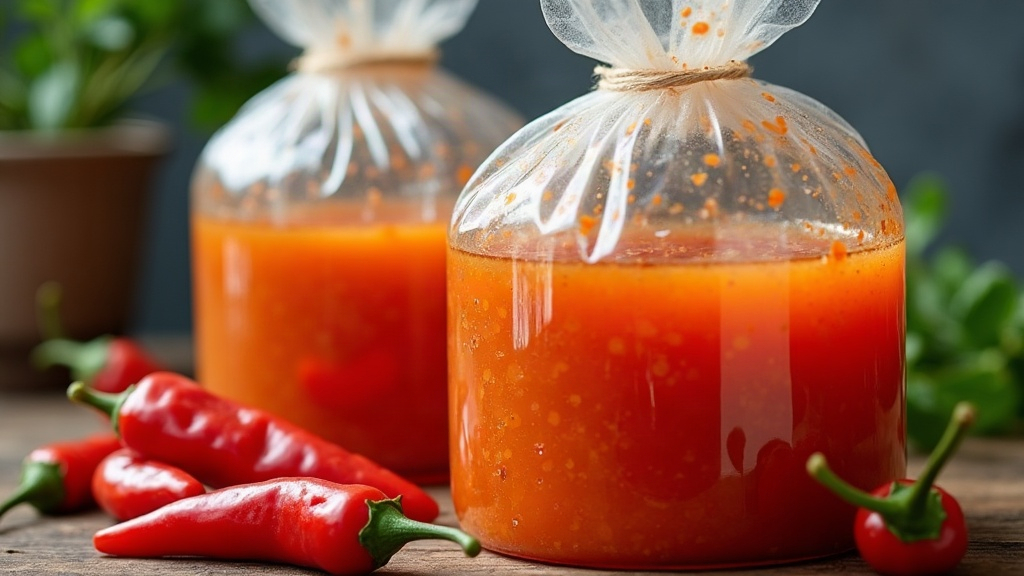
Mold is the number one reason home fermenters throw in the towel on hot sauce. The two methods that actually solve the problem are vacuum bag fermentation and brine submersion. Both work by cutting off oxygen, which is the one thing mold absolutely needs to take hold, but they get there in very different ways, with different risks, flavors, and gear requirements. Here’s how each one works, so you can figure out which fits your next batch of fermented habanero hot sauce.
Why Mold Happens in the First Place
Mold spores are everywhere. They’re on fresh habaneros straight from the garden, and they’re on the ones you just bought at the grocery store too. To take over a ferment, mold needs two things: oxygen, and a foothold above the liquid line. Lactic acid bacteria, the good guys actually doing the fermenting work, thrive in anaerobic, acidic, salty conditions. That same environment happens to suffocate mold outright. So the whole point of both methods below boils down to one thing: keep every scrap of pepper mash submerged or sealed away from air, no exceptions.
Method 1: Brine Submersion
This is the old-school route, the same basic idea behind kimchi and classic Louisiana-style hot sauces.
How it works:
- Chop habaneros (stems off) and pack them into a clean jar.
- Mix a brine at 3-5% salinity, that’s roughly 30-50g of salt per liter of water. Habaneros handle the higher end just fine, since their thick flesh needs more salt to pull moisture out evenly.
- Submerge the peppers completely, using a fermentation weight, a cabbage leaf, or even a water-filled bag pressed down on top.
- Use an airlock lid, or burp a regular jar lid once a day, to let CO2 escape without letting outside air (and spores) sneak back in.
Pros:
- Simple, cheap, easy to keep an eye on.
- Gives you a more complex, tangy flavor, since the mash is interacting with a larger volume of liquid.
- Scales up to multi-gallon batches without much extra fuss.
Cons:
- Needs daily attention: checking submersion levels, burping gas.
- Kahm yeast (harmless but admittedly ugly, a white film on the surface) can still show up in a warm kitchen.
- Weights and airlocks are more stuff to buy, store, and wash.
Method 2: Vacuum Bag Fermentation
This method skips liquid almost entirely. A vacuum sealer and food-grade bags pull nearly all the air out around the mash directly.
How it works:
- Blend habaneros with salt (about 2-3% of total mash weight) into a rough mash. No water added.
- Pack the mash into a vacuum bag, leaving some slack for gas to expand.
- Seal using the “moist” or “liquid” setting on your sealer (the standard dry setting will happily suck brine straight into the machine, which is a mess you don’t want).
- Set the bag inside a container, just in case of leaks, and let it sit at room temperature for 1-3 weeks.
- Snip a corner daily (or use a one-way valve) to vent the CO2 pressure, then reseal.
Pros:
- Almost nothing gets through to colonize, so mold risk drops close to zero.
- Produces a thicker, more concentrated mash with bolder habanero punch, great for sauces you plan to thin out later with vinegar.
- Takes up far less space in the fridge or on the counter, and it’s easy to hand off or ship mid-ferment if you’re gifting a batch.
Cons:
- You need a vacuum sealer, ideally one that can handle liquids.
- Seals can fail from gas buildup, or a stray pepper seed can puncture the bag.
- Harder to check progress visually without breaking the seal and starting over.
Side-by-Side Comparison
| Factor | Brine Submersion | Vacuum Bag |
|---|---|---|
| Mold risk | Low-medium (needs daily checks) | Very low |
| Equipment cost | Low | Medium-high |
| Flavor profile | Brighter, tangier | Deeper, more concentrated |
| Batch size | Scales easily | Best for small-medium batches |
| Maintenance | Daily burping/checking | Occasional venting |
Which Should You Choose?
- New to fermenting? Go with brine submersion first. It’s forgiving, you can actually see what’s happening, and it teaches you the basics of salinity and pH before you move on to anything fancier.
- Want reliability with minimal daily babysitting? Vacuum bags are the safer bet, especially if you live somewhere humid where kahm yeast and mold show up uninvited no matter what you do.
- Making a thick, mash-style sauce (habanero-mango, habanero-garlic, that kind of thing)? Vacuum bags concentrate the flavor better.
- Want a thinner, pourable hot sauce? The extra liquid from brine submersion gives you a running start on consistency.
Troubleshooting Tips
- Fuzzy mold (not the flat white kahm yeast) means toss the whole batch. Don’t scoop it off and hope for the best.
- Keep the ferment between 65-75°F (18-24°C) for the most predictable, safest results.
- Always reach for non-iodized salt. Iodine can slow down or kill off the lactic acid bacteria you’re trying to cultivate.
- Before bottling, check pH with strips or a meter; you want it under 4.6 for shelf stability.
Final Thoughts
Either method, vacuum bag or brine submersion, can give you excellent, mold-free habanero hot sauce. Which one you pick really comes down to how hands-on you want to be and what flavor you’re chasing. Brine submersion rewards the patience of daily check-ins with that bright, classic sauce taste. Vacuum bags give you a nearly foolproof, low-maintenance route to something bolder and more concentrated. Whichever one you land on, the thing that actually keeps mold away isn’t luck, it’s consistent salinity, steady temperature, and genuine submersion (or a true vacuum seal).