Caramelizing Honey for Bochet Mead: Slow Cooker vs Stovetop
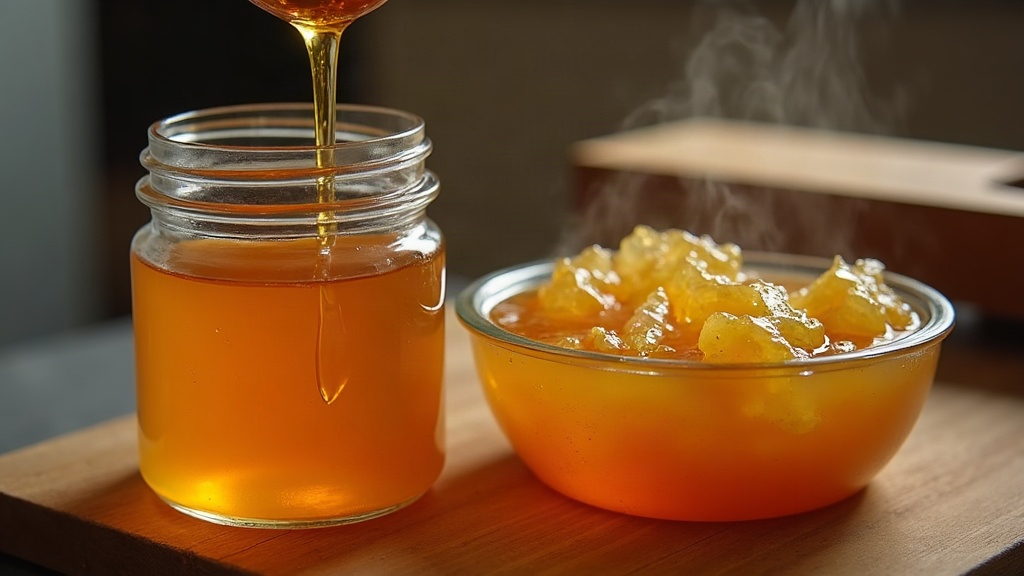
Bochet is that mead style where you deliberately caramelize, or as some brewers put it, gently burn the honey before fermentation even starts. Do it right and you get toffee, marshmallow, dark caramel, sometimes a whisper of smoke in the glass. Home brewers typically pick between two routes to get there: the slow cooker method and the stovetop method. Which one works for you really comes down to how much time you have, how much control you want, and honestly, how nervous you are about scorching three pounds of honey.
What Is Bochet Mead, Exactly?
Regular mead leans on honey’s natural sugars fermenting cleanly, keeping those delicate floral notes intact. Bochet does the opposite. You cook the honey first, which kicks off a Maillard reaction and caramelization that turns simple sugars into something far more complex, roasted sugar compounds that taste nothing like raw honey anymore. What you end up with is darker, heavier mead with dessert-like character. Crème brûlée. Burnt marshmallow. Sometimes molasses, depending on how hard you push it.
There’s a catch, though. Caramelized sugars are tougher for yeast to break down than raw honey sugars. That means bochet often finishes sweeter than you’d expect, or you need a more attenuative yeast strain and a longer fermentation to dry it out properly.
Stovetop Method: Fast, Hands-On Control
Stovetop is the classic route, and it gives you the tightest control over color and flavor as they develop.
How it works:
- Pour the honey into a large, heavy-bottomed pot (cast iron or an enameled Dutch oven is ideal), filling it only about a third of the way. Honey foams up aggressively once it starts heating, so give it room.
- Heat on medium-low, stirring constantly with a long-handled spoon.
- Watch it shift from pale gold to amber, then into deep mahogany. Expect 20 to 45 minutes, depending on your batch size and heat level.
- Hit your target color? Pull it off the heat immediately and slowly add hot water, roughly equal to the honey’s original volume, to stop the cooking and dissolve any hardened bits.
Pros:
- Fast. Often done inside an hour.
- You can actually watch the color change in real time.
- The classic method most experienced mead makers swear by.
Cons:
- Needs your full attention. Honey can go from perfect caramel to burnt in a matter of seconds.
- Higher chance of scorching or boiling over if you blink.
- Overheat it and you’ll get a sharp, acrid smoke that ruins the batch.
Slow Cooker Method: Low Risk, Low Effort
The slow cooker (or Crock-Pot, if that’s what’s in your cupboard) swaps speed for safety. It’s the go-to for beginners, and honestly for anyone caramelizing a big batch who’d rather not babysit a pot for an hour.
How it works:
- Pour the honey straight into the slow cooker insert, no more than half full.
- Set it to low, leave the lid off or cracked so moisture can escape.
- Stir every 30 to 60 minutes. Set a timer so you don’t forget.
- Caramelization creeps along over 6 to 12 hours, sometimes longer if you’re chasing a really dark bochet.
- Once you’ve hit the color you want, stir in hot water just like the stovetop method.
Pros:
- Much harder to burn or boil over.
- Genuinely set-it-and-forget-it. Check in now and then instead of hovering.
- Works great for bigger batches, think 5 pounds of honey or more.
Cons:
- Slow. Sometimes a full day slow.
- Easy to miss the exact peak of caramelization since everything moves so gradually.
- Running a crockpot for 10+ hours adds up on the electric bill.
Which Method Should You Choose?
- Go stovetop if you want results today, enjoy being hands-on in the kitchen, and you’re working with a smaller batch (under 3 pounds of honey).
- Go slow cooker if you’re scaling up, your schedule’s packed, or this is your first attempt and you’d rather not risk turning good honey into charcoal.
Tips for Better Bochet Either Way
- Grab a candy thermometer. Caramelization speeds up fast past 320°F (160°C). Pulling your honey somewhere around 300 to 340°F gets you a balanced bochet without tipping into burnt bitterness.
- Add water slowly, and stand back. Molten caramelized honey is basically liquid sugar at that point. Pour water in too fast and it will sputter violently, so take it easy.
- Taste as you go. Dip a clean spoon in, let it cool for a few seconds, then taste. It’s really the only way to know where your flavor stands.
- Expect to lose volume. Caramelization cooks off moisture, so you’ll end up with less honey weight than you started with. Factor that into your recipe’s final gravity.
- Use a strong yeast. Lalvin EC-1118 or D47 handle those stubborn caramelized sugars much better than a delicate wine yeast would.
Common Mistakes to Avoid
- Cooking in a thin pot on the stove. Hot spots form and burn the honey unevenly.
- Stepping away during stovetop caramelization, even for thirty seconds. That’s all it takes to ruin a batch.
- Pouring cold water into hot caramelized honey. It can seize up or crack on you.
- Stopping too early. You’ll end up with mead that just tastes like honey, not true bochet.
Final Thoughts
Both methods can get you to excellent bochet. The real question is what you’re trading: time for control, or convenience for precision. New brewers and anyone working big batches tend to lean on the slow cooker’s forgiving, hands-off pace. Experienced mead makers often go stovetop for the speed and the tighter control over color. Either way, keep an eye on temperature, taste along the way, and be patient. That’s what gets you to a deep, caramel-rich mead that’s actually worth the wait.