Session Bochet: Low-ABV Caramelized Honey Mead
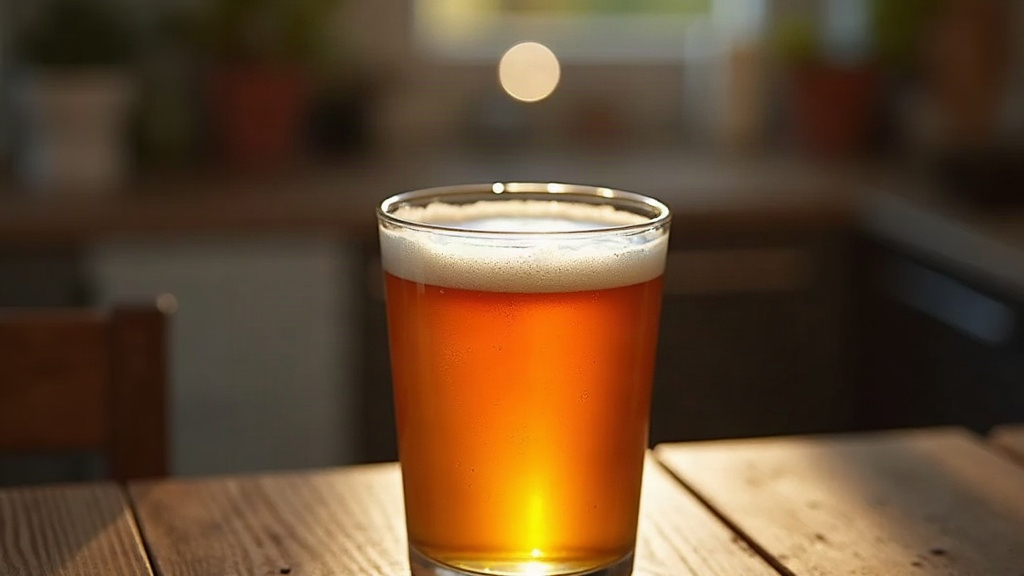
If you’re chasing that caramel, toasted-marshmallow, toffee flavor bomb but want something you can actually drink a pint of without falling over, a session bochet is your next project. It takes the old French tradition of boiling honey and shrinks it down into a light, fizzy, low-ABV mead. Keep the alcohol modest, carbonate it properly, and you end up with something dangerously drinkable: deep roasted notes up front, crisp sparkle on the finish.
What is a Session Bochet?
Two ideas mashed together here, so let’s separate them.
- Session (Hydromel): In mead circles, “session” (or hydromel) means low alcohol, usually 4-7% ABV. Regular mead can sit at 12-14% and needs months, sometimes years, to mellow out. A session mead ferments fast and you’re drinking it in a few weeks, not next Christmas.
- Bochet: This is mead made from honey that’s been boiled or caramelized before fermentation even starts. Boil it hard enough and the floral notes disappear, replaced by something dark, rich, occasionally smoky.
Put them together and you get a low-ABV caramelized honey mead that drinks more like an amber ale or a light stout than anything you’d call “wine.” Honestly, it’s a great gateway drink for beer people who think mead is too sweet or too heavy.
The Magic (and Danger) of Caramelizing Honey
Everything good about a bochet comes from the boil. Heat honey long enough and you kick off the Maillard reaction plus straight caramelization, turning simple sugars into complex ones your yeast can’t touch. Result: even a bone-dry bochet still feels sweet on the tongue and has a noticeably thicker mouthfeel than a standard mead.
Safety first, seriously. Boiling honey is no joke. It expands fast and throws up a foam that’s basically molten lava with bubbles. Use a pot at least four to five times bigger than your honey volume, don’t walk away from the stove even for a phone call, and keep a silicone whisk in hand to stir the whole time.
Color and Flavor Development
Watch it change in stages as it cooks:
- 15 Minutes (Amber): Light caramel, warm vanilla, a hint of butterscotch.
- 30 Minutes (Copper): Rich toffee, toasted marshmallow, almost campfire-like.
- 45+ Minutes (Mahogany/Black): Dark chocolate, espresso, and a bitterness you can’t hide.
For a session bochet that stays balanced, aim for 25 to 30 minutes, right around that deep copper stage. Push much past that and bitterness starts fighting the sweetness.
Key Ingredients for a 1-Gallon Batch
Low ABV means less alcohol to carry flavor, so body and mouthfeel matter a lot here, otherwise you end up with something thin and forgettable.
- Honey: 1.25 lbs (roughly 0.5 kg) of cheap wildflower or clover honey. You’re boiling off all the delicate floral character anyway, so don’t waste money on orange blossom or tupelo. Save that for a mead where the honey stays raw.
- Water: Spring or filtered, enough to top up to 1 gallon.
- Yeast: A clean ale yeast does the job nicely. SafAle US-05 or LalBrew Nottingham both ferment well at room temperature and leave a fuller body than a typical wine yeast would.
- Yeast Nutrients: Low-ABV meads have a bad habit of producing sulfur, that rotten-egg “rhino fart” smell, when yeast gets stressed out. Stagger your nutrient additions (Fermaid O works well) following the TOSNA protocol.
- Tannins: A cup of strong black tea, or a small handful of oak cubes in secondary, adds the astringency you need to keep the sweetness from feeling one-note.
Step-by-Step Session Bochet Recipe
1. Caramelize the Honey
Dump your 1.25 lbs of honey into a large stockpot, medium-low heat. Stir constantly as it comes up to a boil, then let it simmer and darken for about 25-30 minutes. Want to check the color without guessing? Dab a drop onto a white paper plate every few minutes.
2. Dilute and Cool
Once it’s the shade you want, pull it off the heat. Slowly, carefully, stir in a bit of warm water to halt the cooking; skip this and you risk turning your honey into rock-hard candy. Pour the dark syrup into your sanitized fermenter and top up with cold filtered water until you hit exactly 1 gallon.
3. Pitch the Yeast
Take a hydrometer reading here. You’re aiming for an Original Gravity around 1.040 to 1.045, which lands you close to 5.5% ABV. Once the must cools below 75°F (24°C), pitch about half a packet of your ale yeast.
4. Fermentation and Nutrition
Add nutrients on schedule, usually at the 24, 48, and 72-hour marks. Fermentation should kick off within a day, and most batches wrap up in 7 to 10 days.
5. Conditioning and Carbonation
Once fermentation stalls and gravity holds steady (Final Gravity somewhere around 1.000 to 1.005), rack it off the yeast into a secondary vessel. Toss in your tea or oak now if you’re using it. Give it two weeks to clear. A session bochet really comes alive with bubbles, so bottle-condition it with a bit of priming sugar per bottle, same as you’d do for beer.
Pro Tips for Perfecting Your Hydromel
- Mind the Bitterness: Burned the honey a little too long? It happens. Fix a bitter batch by back-sweetening with a splash of unboiled honey right in the glass, or use a non-fermentable sweetener like erythritol before bottling.
- Serve Chilled: This stuff is built for ice-cold glasses. Don’t serve it warm and expect the same magic.
- Spice It Up: Bochet loves spices. Toss a vanilla bean, a cinnamon stick, or even a small pinch of sea salt into secondary and you’ve basically got a salted-caramel mead.
Conclusion
A session bochet is one of those homebrew projects that feels like it shouldn’t work as well as it does: burnt honey, low alcohol, ready in weeks. But it bridges mead and craft beer in a way that’s genuinely fun to drink and share. Get your safety gear sorted, grab a pot way bigger than you think you need, and start boiling. A few weeks from now you’ll have a glass of dark, fizzy, low-ABV caramel mead that’ll make people ask what exactly they’re drinking.